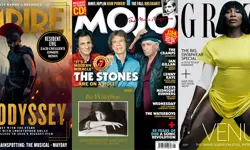
Behind all the success stories that grab the trade press headlines, there are an equal number of narratives that are much more negative. For obvious reasons, these rarely make the news — they sink without trace off the radar — unless they are dramatic implosions. This year, The Lady has been one of the most intriguing demises, which has already been the subject of an entertaining fly-on-the-wall documentary: all stranger than fiction! Yet there is a lot more going on beside the departure of that old dinosaur. So, what is really happening beneath the surface?
An early read on mediashapers
At the time of writing, the initial phase of polling for mediashapers is still live. As you may recall, this is an annual poll, now in its fourth year, which is part of the larger and longer-running (17 years) mediafutures project. We ask media insiders, executives who are working on the inside of the industry, to name the most influential leaders, companies and brands: which ones are shaping both the overall media landscape and also the way that individual media businesses are being run. What is already clear from the first wave of responses, is that 2025 is looking quite different to 2024.
What were the headlines last year?
Looking at ‘individual shapers’, 2024 was dominated by the Big Tech players. Elon Musk (“unpredictable, dangerous, but ultimately self-destructive”), Sam Altman (“currently the pilot of AI... until he loses control of it too”) and Mark Zuckerberg (“ruthlessly focused on revenue and ready to trash or steal our content at will with no moral scruples”). Yet what stood out most was the lack of big media names leading our own industry from the inside. At the same time, politicians were coming more to the fore, as were influencers, including Taylor Swift and Gary Lineker.
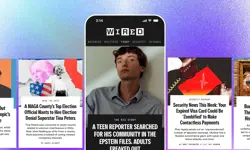
Zooming in on ‘companies & brands’, the names ranged from TikTok through William Reed and the Royal College of Nursing on to Time Out, Wired and The Beano.
If you want to dig into last year’s survey, then you can read the summaries on the InPublishing website, here and here.
What is 2025 looking like?
We can’t reveal the detailed results for 2025 yet — this will happen at a webinar on September 10. Yet here are a few, brief insights:
- Individual shaper: Currently, Donald Trump is (just) in the lead, for obvious reasons. Here is one media insider’s take... “I have actually interviewed him. He is dangerous! Trump dominates the news agenda. He lies constantly, which is a challenge to fact-check and has created the dangerous illusion that it’s acceptable for those in power to lie. And his attacks on the media have undermined the credibility of journalism in general.” And who do you think this is? ... “An unprincipled, narcissistic goon.” You’ll have to wait for the final report to find out that one!
- Industry leaders: As last year, there are lots of very specific nominations, (some really intriguing), but with a real lack of dominant characters in a fragmenting industry.
- Hot brands & companies: This list is also very wide-ranging, with some real surprises. And none of last year’s names have so far come up this year.
Yet what is very clear this year is that business confidence is much more wobbly. The industry is fragmenting into three very distinct groups. When asked, “How much confidence (on a scale of 1 to 10) do you have in the financial future of your own operation over the coming year?” and then, “Is your level of confidence stronger or weaker than a year ago?”, respondents fell into three cohorts: optimists, pragmatists and pessimists. That in itself is not exactly “new news”, but the proportions in each group are.
The overall balance is equally weighted between confidence strengthening (29% with an average 8.2 confidence score) versus weakening (also 29%, but with a much lower 5.2). The confidence of the remaining 42% is staying the same at 7.5. The reasons driving these figures, with the associated opportunities and challenges that sit behind them, are very insightful and lie at the core of the whole survey. Those drivers also vary at a very granular level, from brand to brand, and not just at company level.
The clear conclusion of all this is that both the shape and the mood of the media world in 2025 is looking very different from last year. There is a clear sense that the industry is at a “moment in time”, wobbling on a tightrope between real opportunity and uncontrollable disaster, with executive burnout, over-hasty decision-making and a lack of leadership, direction and resolve being much more widespread than a year ago.
Yet you’ll have to wait until September before you can see the full picture of our rapidly fragmenting industry.
mediafutures is an ongoing benchmarking survey of the industry, undertaken by Wessenden Marketing in partnership with InPublishing. Now in its 17th year, it maps the key drivers, metrics and issues that are transforming the shape and direction of the whole media business. mediafuturesPULSE is a more regular tracking survey of key industry performance metrics. mediashapers identifies the most influential leaders, companies and brands in the media business each year.
This article was first published in InPublishing magazine. If you would like to be added to the free mailing list to receive the magazine, please register here.