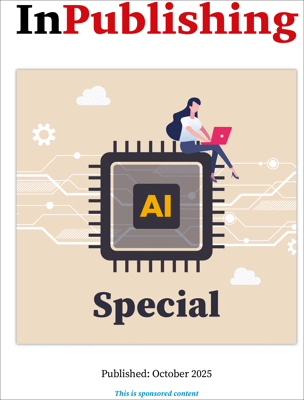
The January / February issue of InPublishing magazine was published last week. Here are some of my takeaways from it:
- Working with numbers: In the real world, economic numbers are very seldom exactly right and very seldom totally wrong and you have to know a bit about probability to make sense of it all.
- The BBC: Despite ridicule from populist leaders and their tech giant friends, the BBC remains one of the most trusted media brands in the world. Yet, in this new media age, it needs to work out what it is for. News? Entertainment? Sport? Does it need to do it all?
- Print: In our screen-heavy digital culture, many people are worried about their mental well-being and are reverting to physical things — like print, like vinyl — that take a bit more time, take a bit more attention.
- Search: The enforced self-reflection necessitated by Google’s rule changes has been valuable. Publishers have had to think hard about how to best serve their readers — what information is really useful to them, what unique expertise can they draw on to deliver genuine insights that will help readers make informed decisions.
- Copywriting: As digital marketing dominates, some marketers have seemingly abandoned tried-and-trusted methods for crafting compelling messages. A print headline or a subject line in an email campaign, for example, should follow the same principles: grabbing attention, sparking interest, product explanation and leading the customer toward engagement. Yet, the fast-paced nature of digital often prioritises volume over quality.
- Events: Live events are vital for magazine brands because they create a unique emotional interaction that you can’t achieve through digital media.
- Advice for publishing newbies: Learn and perfect the basics of your job. A long, successful and rewarding career must be built on solid technique so understand what works and why, and what doesn’t work and why.
- Where to place ads: With media fragmentation, the huge growth in online content and consumers becoming more resistant to interruptive advertising, placing ads in relevant contexts has become increasingly important to drive cut-through and engagement.
- Recipe for regional success: Signature journalism is what makes you stand out and builds you an audience. Signature is about quality, but that doesn’t just mean doing lots of long, deep dives. One of the pitfalls to avoid is concentrating on courts and council and forgetting the entertaining, lighter stuff. You need a mix.
- Journalistic skills: These are the skills editors are looking for in new starters, in order: 1. Attitude; 2. News sense / news obsessed; 3. People skills / interviewing; 4. Cross platform knowledge; 5. Writing skills; 6. Shorthand. According to one editor, journalism is 80 per cent attitude, 20 per cent skill.
- Elon Musk: The world’s richest man has developed an obsession with British politics and regularly inserts himself into the UK’s national conversation. How to respond to Musk’s sniping poses a big question for the UK’s mainstream media.
- M&A: When they go well, acquisitions can unlock growth. When they go badly, it’s likely to be because of: 1. Poor due diligence before the deal; 2. Deeply rooted cultural and organisational mismatches between the companies; 3. Cack-handed integration of operational processes and tech stacks.
If you want to read the full issue, then please register here. Once you’ve completed your registration, you’ll be provided with a link to the digital edition.

You can catch James Evelegh’s regular column in the InPubWeekly newsletter, which you can register to receive here.