Digital this, digital that; all people seem to talk about, especially at industry events, is digital publishing – all of which made the ‘Turning pages into profits: reinventing the print newsstand’ session at the recent PPA Independent Publisher Conference a refreshing change.
The panelists – Ben Oakden (Marketforce), Duncan Shearer (Seymour), Jon Bickley (Anthem Publishing) and Lauren Holleyoake (Grazia) – highlighted three key trends which spelt good news for print publishers:
- People are returning to the high street
- People are concerned about their digital consumption
- Print is hugely trusted
And, brands like Grazia, says Lauren Holleyoake, are bringing big brand energy to bear on the opportunity that these trends represent in 2026. Grazia magazine will be printed on better paper stock, be perfect bound and will invest more money into photoshoots and … it will increase its cover price.
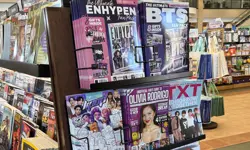
Big brand energy is also evident in the bookazines sector, which is enjoying significant growth, surfing the fandom wave. People who are passionate about something, be that Harry Styles, Taylor Swift, K-Pop, air fryers or the late Queen, will purchase quality content about it, whatever the medium.
Bookazines are high margin items; they play to people’s passions, have a long shelf life, are premium priced, can run through multiple versions and, in many cases, reuse already published content, making them particularly cost-effective.
Publishers are also hyper-nimble in responding to trends and getting bookazines on the shelves quickly. Anthem Publishing apparently had their air fryer bookazine on shelves a year before Jamie Oliver and Grazia had their tribute to the late Queen on the newsstand within days of her passing.
Anthem has also had great success with bookazines about Taylor Swift, ChatGPT and K-pop and Grazia has successfully launched one-shot ‘beauty’ special issues. Furthermore, says Anthem’s Jon Bickley, it’s not just bookazines and special issues that are proving popular but also bumper issues of regularly published titles. Writing for InPublishing in August, Jon said: “Across the board with our regular frequency titles, we schedule in an average of two – but as many as six – bumper issues a year. Readers lap them up, happily paying more for an extra 16 pages, while we share the benefit with retailers seeing higher RSV and enhancements to our own bottom line.”
With research showing that large numbers of young people wish that smartphones and social media had never been invented, there was general agreement that print and the newsstand was a good place to be.
You can catch James Evelegh’s regular column in the InPubWeekly newsletter, which you can register to receive here.