It is summer supermarket specials tasting day at the new Good Food kitchen at Immediate Media’s headquarters in Hammersmith and there are sausages everywhere. Staff from across the company are encouraged to pop in to finish up leftovers from the taste tests of around 300 products including burgers, kebabs, and coleslaw, as reducing food waste is a priority for the brand. Anyone who wants to can work in the kitchen while munching away, with space for laptops at a large table in the corner.
The large, airy kitchen opened in February, after being completely revamped to meet the demands of a modern media brand. With sustainability at the forefront, units were repurposed, with several fully stocked workstations where different recipes can be tested and filmed at the same time, as well as moveable units for making more impromptu social media footage.
Gone is formality around filming, with videos being in the middle of the action, giving the audience the feel of being in a domestic kitchen. There is a large open area where a camera crew can fit, and the space can also be used for events, such as a recent book launch. The former, smaller, test kitchen has been given a fresh new look and is now a space for making client content. (See their promotional video at the end of this article.)
The atmosphere is buzzy and relaxed with everyone from intern to editor able to contribute ideas, an ethos reflected in the wider building which is equipped with a large breakout area with table tennis and bar, as well as a courtyard garden.

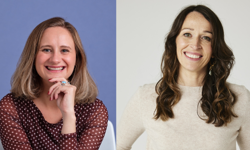
Lily Barclay, content director of Good Food and Olive explains the motivation for building the new kitchen was twofold. Firstly, Immediate Media, owned by German company Burda, wanted to invest in its people by creating a beautiful working environment for them which has been designed both ergonomically and sustainably. Secondly, it has been built with a multi-media strategy in mind, enabling them to make video content for a variety of platforms, as well as podcasts and print, and to invite commercial partners into the space. “We wanted to be able to invite our audience in and see what goes into the making of Good Food and we can really see the impact of that, especially on our social media channels,” she explains.
They are particularly keen to appeal to a new demographic of under 35s and have recently launched a dedicated TikTok channel. Having the new kitchen allows them to make the sort of authentic social media content that appeals to this age group, as well as more professionally filmed pieces to camera.
Exploring new commercial opportunities
Last year, Good Food dropped ‘BBC’ from its title after having been affiliated to the Corporation for 35 years. While they still maintain the same editorial standards, this has allowed the brand to explore new commercial opportunities. Mars sponsored a recent front cover which would not have been possible under the old regime, when they had to refer to Maltesers as “chocolate covered maltballs”. Commercial Director Simon Carrington explains: “The media world has moved forwards in that brands want more integration with content and that’s sometimes challenging under BBC commercial policy guidelines, so becoming Good Food allowed us to have deeper integration with clients.”
Another initiative has been #AirFryDay, sponsored by Aldi, with new air fryer recipes going out on TikTok every Friday. Barclay insists that the partners, products, and ingredients they choose to work with still go through the same rigorous selection process as they did when the brand was operating under BBC licensing rules. “We’ll only work with brands that we would genuinely already recommend their products or use them in the Good Food kitchen, but we’re now able to integrate those partnerships into content in a way that we weren’t able to before,” she says. Carrington agrees that they still have the same editorial and commercial rigour and would not work with a client or product they did not feel was right for the brand. He insists: “We’re not charging clients to be in every recipe. We’ll still call an advert an advert. We’re not trying to hide any commercial relationships.”
The overall aim is to increase the amount of revenue which they are in control of, rather than being reliant on the Google algorithm, which is a challenging place for all publishers. They also want to reach their audience on whatever platform they are using, whether that is YouTube, the website, print or social media. Often print takes the lead because content must be planned so far ahead, but it could also be the case that a podcast is repurposed for print, or a video is retrofitted for recipe creation. “At the beginning of every idea, we are thinking carefully about how we can make the most of that content and platform and speak to our audiences in all those different ways, but with the same mission, whether that’s helping people cook on a budget or helping people cook healthily,” says Barclay.
An example is Cook Smart, a campaign to help people eat well on a budget. The original idea went out in print, but now it has been turned into a series of podcasts, videos, and newsletters. The same team creates the content then edits it and formats it for all the different platforms. About 80% of their content is planned well in advance with the remaining 20% reacting to social media trends to stay part of that conversation. This more responsive content will often then be retrofitted into a print article further down the line. Just like the food from the kitchen, nothing goes to waste.
Apple News is an important and growing source of revenue for both Good Food and its sister brand Olive, which is more premium, with an emphasis on entertaining, dining out and travel and lifestyle. Some content is created specifically for Apple News, but the majority is print and digital articles which they have already made. They receive revenue per minute spent on Apple News and have found health content performing particularly well, with engagement up 100% in a year.
Subscriptions boost
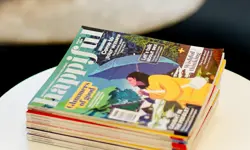
The biggest change in the last few years has been the Good Food app, which is based on a subscription model, with exclusive content and functionality. They now have 180,000 subscribers to the app, a number which has doubled year on year. Across the board, including print and digital, they report a total of 250,000 subscribers, the most they have ever had in their 35-year history. “We’re conscious that we want to build a direct relationship with our audience and having our own strong subscription proposition is a really good way to do that,” says Barclay.
They are constantly working to assess what their audience finds valuable and develop tools on the app so that it offers more than just recipe inspiration, but genuinely solves people’s problems. When they first started the app, there was a theory that because they were asking people to pay for it, they needed to make lavish recipes. “Actually, that wasn’t the content that cut through,” says Barclay. “People wanted things they could make in 20 minutes to feed their families, so we pivoted the strategy to concentrate on recipes that they were really using.” She believes it is essential to be in the data every day to understand what their audience wants now, and what they might want in the future that they don’t even know yet. Content on how to use up leftovers is another big area for them, and they have recently introduced ‘carbon calories’ on some of their recipes. They also work hard to use seasonal produce which naturally has a lower carbon footprint.

In 2022, Immediate acquired Nutracheck, the subscription-based weight management and dietary improvement platform which now has half a million members. This has helped them to become even more ambitious about their health and wellness strategy in the future. Health is currently Good Food’s biggest pillar with around 10m page impressions a month for their health content. They believe there is plenty of potential to grow subscriptions, carving out a space for themselves in a competitive market. The Guardian’s Feast app and the New York Times’s NYT Cooking are two of their main competitors, although Good Food claims to be bigger by volume than either of those in the UK. Part of the reason for investing so heavily in social media content is to bring people into the Good Food universe and then push them down the funnel towards subscribing to the app. While the UK is their primary focus, they also want to expand their audience in the US. “We believe there’s quite a lot of headroom to go for,” says Carrington.
Despite the success of subscriptions, he adds that they remain an advertiser heavy business. “Creating new audiences and creating products for those audiences, whether they’re our products or third-party channels, is fundamental to our future.” Video is a major area of investment for their clients right now and the new kitchen will help to unlock this revenue. Paid partnerships such as sponsored video series now account for around 30-35% of total ad revenue.
Video has the added benefit of increasing brand recognition. The top 300 recipes on the website have video content, which helps web engagement and means they are more likely to rank highly on search engines. Every member of the team receives video training, and it is important to them that the audience gets to know the characters who are creating the content, growing individual profiles as well as the brand profile.
Barclay, who started out as a digital assistant on Good Food 14 years ago and has worked her way up through a variety of writing and editing roles to digital content director and now overseeing the entire brand, believes the reason they have such a good retention rate is because of their investment in staff.
She says: “There’s been massive investment in Good Food from Immediate that has allowed us to expand rapidly into all these different platforms. We’re bigger today than we ever have been and it’s a challenging market out there. It is constantly moving, that’s why people don’t get restless in a role. There is lots of development and opportunities from within, which is a nice place to be.”
This article was first published in InPublishing magazine. If you would like to be added to the free mailing list to receive the magazine, please register here.