In this article, I will reveal the shocking word that is dividing newsrooms and hacking off readers. I will disclose the Pope’s bombshell message to the media. And you won’t believe what a newspaper legend told me about his shattered trust. I am writing, as you might have guessed, about the teasing headline. Clickbait isn’t a term liked in the newsroom. Teasing, or the curiosity gap, is preferred but the word clickbait is out there. Even Pope Leo got involved. In October, he told newswire alliance Minds International that: “Communication must be freed from the misguided thinking that corrupts it, from unfair competition and the degrading practice of so-called clickbait.”
Clickbait might be a disparaging and, at times, unfair term but, in the quest for clicks, headlines have occasionally gone over the top.
But is that era coming to an end? Google clicks remain hugely important for websites but they are no longer the be all and end all. There have been critical changes including algorithms that prioritise quality, AI summaries and readers who are resisting the tease. So the approach to headline writing is moving on again. Here’s a look at how headlines have evolved and where they might be heading.

When I was learning the headline craft, I was taught to boil down the essence of the story, use words that built pictures, avoid jargon, be accurate and make it fit. When I went on my tabloid adventures, I learned that puns were fun ... make the reader smile. The best page 1 headlines (and blurbs) were written to make people want to pick up the paper. Teasing headlines have been used since the dawn of tabloid journalism to drive sales. Then came the digital age. Space was no longer restricted and you could tell the whole story. MailOnline, a pioneer in the new approach, would use 28-word headlines and add six bullets (sub-decks) for good measure. There was no need to read the text but did it matter if people stayed on the site? Added to the mix was search engine optimisation (a term guaranteed to make sub-editors squirm). If you did it well, you would massively improve your site’s visibility and ranking. Headline writers needed to think of the key words — the exact terms people used when doing a search. These included full names, locations, a brand or a question. Google looks left — so the key words had to be at the start. Puns all but disappeared — search engines don’t have a sense of humour. SEO departments emerged in newsrooms and called the shots on headlines.
It was all part of the over-riding drive for clicks for revenue. Algorithms prioritised the click above everything else. Quite simply, your story would shoot up the Google rankings if lots of people clicked. There was a need to tease. If you gave the whole story away, why would people click? So missing out a key bit of information — particularly who and where — was crucial.
I confess to being a habitual clicker. I run a news quiz every Friday, so I am all over the news sites looking for questions.
The breaking headline said: “Major casualties as explosion rocks major European capital and locals run for their lives.” How could I resist? I needed to know which city. It was Rome.
“Man shot by police as bomb squad & counter terror cops swoop on village pub with huge 100m cordon set up.” Which village, which pub, was he dead? I needed to click. It was the Park Gate Inn in Hollingbourne, Kent, and he had life-changing injuries.
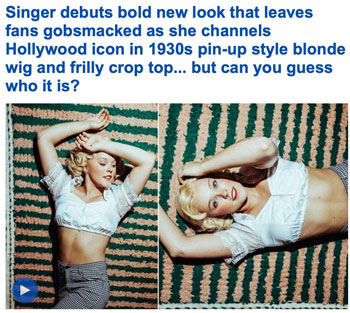
“Singer debuts bold new look that leaves fans gobsmacked as she channels Hollywood icon in 1930s pin-up style blonde wig and frilly crop top ... but can you guess who it is?” I guessed from the photos but clicked to check. I was right ... it was JoJo Siwa.
Room for disappointment
I was watching Beat the Chasers and was curious as to who the new quizmaster, Maverick, was. I reached for the laptop. He had been “unmasked” and his “identity revealed”, said the headline. But when I clicked, there was just speculation about who it might be from people on social media. No revelation. I was slightly irritated. But, the speculators were right, and it turned out to be Joe Pasquale.
But, sometimes, I would be more irritated. “Coronation Street legend dies” — but it turned out to be a crew member. This definitely fell into the “clickbait” category. Also irritating was the breaking news on local newspaper websites. “Three die in car crash” had me scrambling to see where but it turned out to be five counties away. I will know not to bother next time.
Paul Robertson, a former editor of the Evening Chronicle in Newcastle, is frustrated by it all. He told me: “My main gripe with clickbait headlines is the fact they have destroyed the USP of local / regional newspapers and the bond of trust between those publications and the readers. You just need to look at the plethora of comments on Facebook posts under such headlines — especially when the subject matter is far from the geography of the title in which it appears — to see the contempt for the publication concerned.
“Call me naive but the reason I went to a local newspaper whether in-print or online was I tended to trust the information presented about the area of interest. Headlines on some of the content appear sensationalised to a much greater extent than when I worked in the industry, are often misleading and once you have been tempted to click they usually disappoint. They might argue I clicked so it works — but what price trust and loyalty?”
It is fair to say that, sometimes, headlines would try so hard to tease that the reader struggled to tell what the story was remotely about. Was it a news story or a puzzle?
All that was wanted was the click. What the reader did next, didn’t matter. If they didn’t get a good deal from their click, so what? They probably weren’t coming back anyway and there were millions more out there.
But as one senior editor told me: “The second we wrote for an algorithm, not a reader, things went badly wrong.” Robertson agrees: “Sadly, I think some strategies eroded and undermined the quality of journalism — clickbait headlines have played a part in that.”
Now things are moving on again. The volume of clicks is no longer the holy grail. They are still critical, of course, but businesses that have built their entire model around them may suffer because of algorithm changes that prioritise quality. AI summaries are also having a huge impact — if the readers have no need to click to get information, they are gone.
Headlines in the subs era
One of the big changes in popular news sites this year has been the move to subscriptions. The Sun’s home page is littered with stories with the Sun Club logo. To read those, you have to subscribe (£1.99 a month at the time of writing). In August, the Mail announced a target of one million subscribers by 2028. Its home page has stories with a Mail+ logo (first month free and then also £1.99 a month).
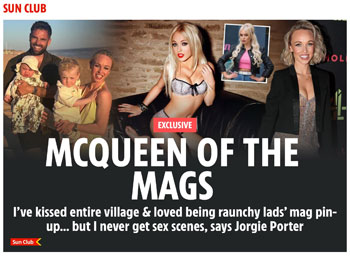
So, how does headline writing work in the world of subscriptions? Will we go back to straight headlines, keep on teasing but rein back the excessive clickbait or is there another approach?
One editor I spoke to was clear: “The first thing to remember is that headlines are the only thing the majority of customers see — there’s no opportunity to browse text so they make a decision to pay on that alone. It doesn’t matter how good the text is or the hours of research it’s taken — get the headline wrong, and subscription potential is stone dead. Get the headline wrong and you betray the hours a writer has put into a piece.”
So, subscription stories have to be unique, it’s no good if they are available for free elsewhere, and of genuine interest. The headline has to convince the reader there is tantalising information to be unlocked by paying.
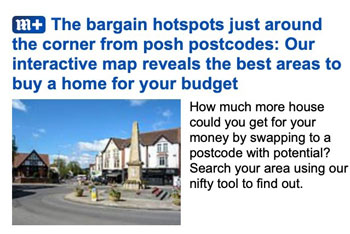
If all the information is in the headline, why would you pay?
There is, of course, a place for straight headlines. Stories that are going to be of huge interest or strident views from columnists with a strong following don’t need to be teased. Teasing articles on sensitive issues — bereavements, sexual assaults — is a definite no-no.
The other big no-no is leaving a paying reader feeling irritated ... or worse. Another online editor said: “Teasing is, if anything, more important for subscription content because a big goal is to persuade a reader to pay. But the potential for brand damage from clickbait or dishonest headlines is greater if a paying reader feels cheated.”
So, what’s the next stage in the ever-evolving headline journey? The message I got from those at the digital coalface was:
- There needs to be a motivation to click on the story
- Don’t give the full story away in the headline
- Move away from lazy teasing
- No more ‘bombshell twists’ or ‘major updates’ — unless they really are
- Key words are still important
- Stories must deliver what is promised in the headline
- Crucially, the focus needs to be loyalty and engagement
Convincing a reader, who had already paid for the paper, to read the text below was a skill in itself. Persuading a passerby, in a crowded market, to fork out on the promise delivered by a dozen compelling words, is a step-up. One final message that came over loud and clear was that the need for skilled headline writers, who understand all of this, has clearly never been greater.
This article was first published in InPublishing magazine. If you would like to be added to the free mailing list to receive the magazine, please register here.