I’ve been building women’s awards since 2017, initially at Incisive Media and now at emap, and the Women in Packaging Excellence Awards is my 15th launch. Fifteen! But each one still feels like a small act of rebellion and a labour of love!
I like to think I’ve built a bit of a template for success, but if there’s one thing I’ve learned, it’s that you can’t fake understanding your market. Every good media product starts there, not with the logo or the categories or the venue, but with the ‘why’ and the ‘who’. I’ve seen what happens when women get visibility; it changes how whole industries think about talent and leadership.
Spotting the gap
Packaging is an incredible industry, full of smart, practical innovators. But like so many sectors, when you look up at board level, the gender balance still isn’t right. The pay gap remains, stubborn as ever, and visibility for women in senior board positions is still hovering at 20%.
As publishers of Packaging News, we realised there was no platform celebrating women’s contribution to the industry. It felt like an obvious gap to fill. We did our due diligence and then went out to our network: judges, speakers at our events, senior women and men across the sector. Would a women’s awards programme resonate? Would they support it?
The answer was a very clear ‘yes’. Everyone we spoke to could see the need. They told us stories of brilliant women quietly getting on with extraordinary work but rarely being recognised. That was all the validation we needed.
Building the brand
Once we had that reassurance, we started shaping what the Women in Packaging Excellence Awards would look like. How could we make it feel credible, relevant, and unmistakably ours?
We designed a brand that was elegant and practical and polished. I wanted it to feel like the kind of packaging you’d never throw away, beautiful, confident, and instantly recognisable. A strong professional aqua blue did exactly that.
Then came the categories. We wanted them to reflect both the technical brilliance and the career journeys of women in packaging. So, alongside awards that celebrated Technical Excellence, we added Rising star and Leader of the Year and Lifetime Achievement.
We spent time with our Packaging News editor and our judges to make sure each one made sense. We didn’t want tokenism. We wanted something that women could see themselves in.
Launch and response
By January 2025, we were ready to go. We kicked off our nomination campaign with messages tailored to different parts of our audience. The response was instant, more than 70 nominations from the very first email.
Of course, not all the feedback was positive. Within a week, a few people on LinkedIn asked whether there would also be a men’s awards. I understand the argument, but rather than be defensive, we used our editorial platform and social channels to keep explaining the ‘why’ and to make it clear this wasn’t about exclusion but about balance.
By the entry deadline, we had more than 400 nominations, converting into just under 300 entries. A brilliant problem to have, if slightly terrifying for our event manager.
Sales, partnerships and teamwork
Strategically, we decided to freelance sponsorship and delegate sales for this one. With so many other launches across the emap Emerald division, we wanted to test a new approach and find the right personality fit to sell the awards.
It worked. The enthusiasm from sponsors was huge though we did face issues that budgets had been spent or allocated. We listened to feedback, flexed packages to suit budgets and got creative when we needed to, and it worked. We also brought in key industry partnerships, including OPRL, which helped position the event right at the heart of the sector.
Listening to the audience
One thing that stood out early in the entry process was how many women told us they found it hard to write about themselves. That’s something we see time and again, a confidence gap that reflects much bigger patterns in the workplace.
Rather than ignore it, we built it into the campaign. We created content about imposter syndrome and why it’s important to share achievements. We showed what a good entry looked like by anonymising examples from other brands. We used AI to demonstrate structure, not substance, giving people confidence to tell their stories in their own words.
That responsiveness was key. Our marketing and editorial campaign constantly evolved based on what we were hearing. If someone said the entry process felt daunting, we simplified it. If judges wanted more technical information, we tweaked the forms. Awards should always be alive to feedback.
We also wanted the judging process itself to feel visible and credible. Our judges weren’t just wheeled out at the end to pick winners; they were part of the journey from the start. Many of them helped shape the nomination campaign, sharing quotes and insights on why recognition matters. One judge, Denise Mathieson, manager, packaging innovation & delivery, Waitrose & Partners, summed it up perfectly when she said: “The glass ceilings women face in their careers need to be totally smashed to pieces. These Women in Packaging Excellence Awards help to continue smashing ceilings by raising awareness and recognising very publicly the brilliant achievements of women in our wonderful packaging sector.”
10 July 2025 — the big night
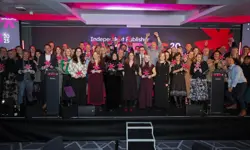
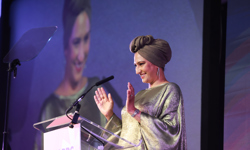
The event itself reflected the tone we had set from the start. Warm, celebratory, inclusive, and authentic, a space where people wanted to be. We wanted our host to match that spirit and Olympian Sally Gunnell was perfect. She was genuinely thrilled to be there, chatting to guests, taking selfies, and filling the room with positive energy.
On the night, I opened the event by addressing the elephant in the room, the question of why we need this. The answer is simple. Representation still matters. Women still face structural barriers. Role models inspire others to believe what’s possible. I wanted the evening to feel inclusive for everyone in the room. True progress happens when men and women work together, and that sense of partnership is what makes change last.
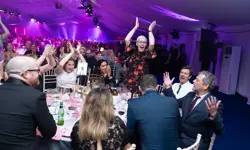
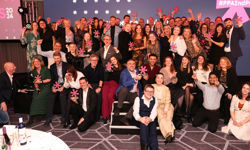
We also wanted to make the ceremony itself feel special and thoughtful. We created boards and quotes so we could see all the finalists. Every winner received their trophy on stage and the highly commended trophies went to tables so we could recognise as many achievements as possible. It sounds simple, but those touches mean a lot. You can feel the pride ripple across the room. That sense of shared celebration was reflected on social media the next day.
Closing the loop
One of the most common bits of feedback we get from awards nights is that people don’t always understand why a particular person won. So we fixed that. As soon as the winners were announced, we launched a social campaign with full winner statements explaining the judges’ rationale. That transparency enhanced credibility and boosted engagement. Our LinkedIn traffic jumped immediately and our campaign using #WiPEA25, reached over 22.4k followers across our social media channels.
All of this came together in six months. Normally, we’d take at least nine. I wouldn’t necessarily recommend such a sprint again, but in truth, the tight timeline kept us focused. There’s something about a looming deadline that sharpens creativity and teamwork.
What makes women’s awards different
Women’s awards sometimes get criticised as unnecessary by both men and women. But every time I see the energy in the room, I’m reminded why they matter. They feel different because they are different.
There’s a warmth and solidarity that’s hard to describe unless you’ve been there. They aren’t there to outdo each other. They’re there to celebrate. The networking is stronger, the atmosphere more supportive, and the stories more personal. These aren’t just trophies, they’re moments of recognition that can genuinely change someone’s confidence and career.
At the end of the night, you could feel the energy of 400 people. They weren’t rushing for taxis, they were swapping LinkedIn details, planning collaborations and promising to see each other next year. So many men and women contacted me to share what the evening had meant to them both on the evening and on social media the next day. That’s when you know it’s worked. It’s the kind of night that reminds you why we do what we do.
Looking ahead
For 2026, we will build on the success. We’ll widen the nomination campaign, involve more teams, and keep the experience inclusive. We’re also planning bespoke roundtables to explore key issues and benchmark the industry’s progress. Recognition is the start, accountability is what drives real change.
I’ve always believed in amplifying success and bringing new faces into the spotlight. We need visible role models to show what’s possible. As Sally Gunnell said on the night: “It’s about showing people what’s possible, because once they see it, they start to believe they can do it too.”
Fifteen awards launches later, and as a result of this success, I’ve now taken on the role of publisher alongside my position as group event director, to help set a course for the brand’s next chapter. It feels like a natural evolution, but the reason I do it hasn’t changed. Purpose, credibility and heart. Get those right and the rest takes care of itself.
I’m also launching Women in Motor Industry Awards with the team in December, and Women in Travel Retail in March and both already have the same enthusiasm and buzz we felt with Packaging. For me, events strategy isn’t just about one successful night; it’s about creating platforms that grow industries and strengthen our brands over time
This article was first published in InPublishing magazine. If you would like to be added to the free mailing list to receive the magazine, please register here.